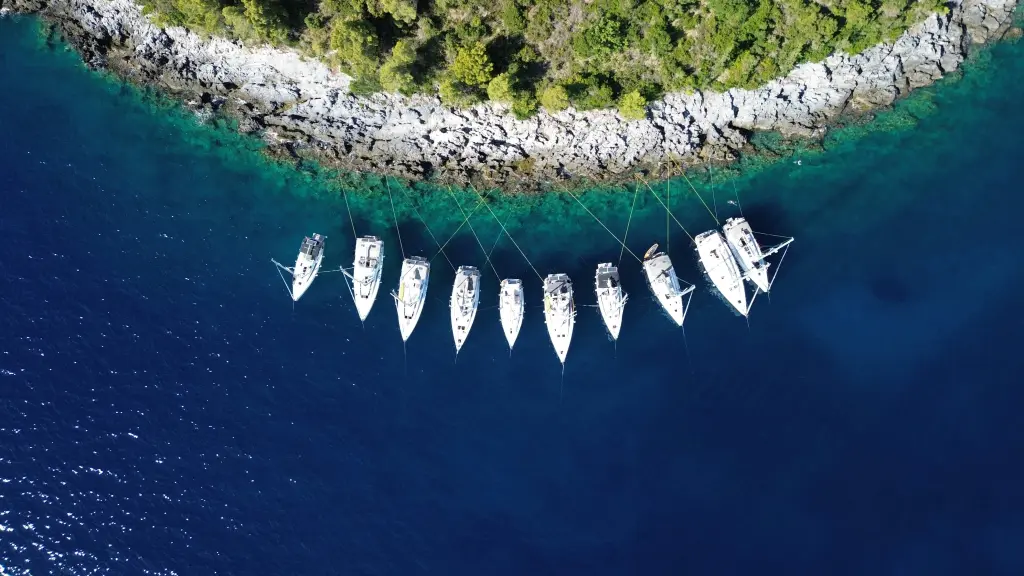
Sailing on a yacht or a catamaran for the first time – what should we know.
Sailing on a yacht or a catamaran for the first time – what should we know.
Useful tips
18.08.202616 minute readBy Stefan Varadinov
In this article, we’ll look at the main things you should know before and during your first sailing experience.
Since it’s hard to cover all types of yachts in one article, here we’ll focus on mid-range yachts and catamarans (under 55 feet) that are chartered with a skipper only, without additional crew such as a hostess, chef, or steward to take care of onboard services.
Arrival and preparation🧭
3221.jpg1.08 MB
Your sailing journey begins even before you leave the dock. After arriving at the marina (the port), the skipper and one more person – usually the charterer (the renter) – must handle the formalities and paperwork so the yacht can be cleared for check-in.
The standard check-in time is Saturday around 5:00 p.m., and check-out is the following Saturday by 9:00 a.m. Usually, the yacht needs to return to the base on Friday evening so the technical team can inspect it before the next charter. It’s important to consider this when planning your trip and vacation time. We recommend arriving at the marina around noon to avoid rushing and to ensure a smooth boarding process. It’s also possible that your yacht will be ready earlier, especially if it wasn’t rented the previous week.
Yacht check-in🏁
After the paperwork is done, a member of the base staff will invite the skipper and one crew member for the yacht check-in. This takes about an hour and includes an inspection of the yacht’s systems, equipment, and accessories. The skipper checks the main systems, notes any existing damages, and familiarizes themselves with the layout and equipment on board.
While this happens, the rest of the crew usually goes grocery shopping at a nearby supermarket to save time.
Briefing and departure📣
Once the yacht is accepted, luggage and supplies are loaded, and everyone has chosen their cabins, the skipper gives a mandatory safety briefing. He will explain how the safety systems work, where the life-saving equipment is located, how to use the bathrooms and toilets, and how to avoid wasting water and electricity onboard.
The first day is always the busiest, but as soon as the yacht leaves the dock, everyone forgets the fatigue. Usually, departure is around 5:00–6:00 p.m., allowing a short sail to a nearby bay or harbor for the first night, which is always one of the most exciting.
What sailing is like⛵
Each day at sea is different but follows a pleasant and natural rhythm that you’ll quickly get used to. Usually, sailing takes 3–4 hours a day, divided into two parts – morning and afternoon.
The morning starts calmly with coffee, breakfast, and a short briefing with the skipper about the route and weather forecast. Then, the yacht heads to the first bay of the day – usually a quiet place for swimming, beach time, and lunch, where the crew can rest, snorkel, or just enjoy nature.
In the afternoon, when the wind usually picks up, the conditions for sailing become ideal. Then, the yacht continues toward the overnight stop – this could be a quiet bay or a harbor.
When stopping at a harbor, everyone has the opportunity to go for a walk and explore, with dinner usually at a nearby restaurant.
When spending the night at anchor, dinner is usually cooked and enjoyed onboard in a relaxed rhythm.
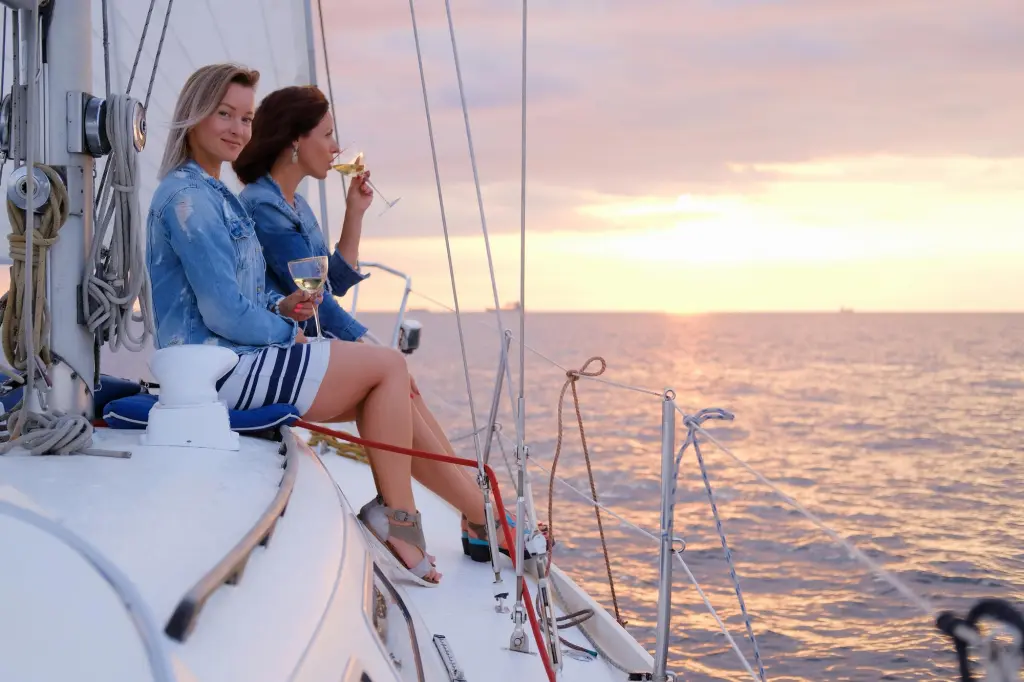
Evenings on board can vary – sometimes calm and relaxing with soft music and conversations on deck, and other times livelier, with music, friends, and a party mood. It all depends on the crew and how everyone prefers to spend their time.
What the yacht is like and where you sleep on board🛌
Yachts are generally divided into two main types – monohulls and catamarans. Both offer comfort and amenities but differ in sailing feel, space, and onboard layout.
A monohull yacht is the classic sailing boat – single-hulled, narrower, and designed for an authentic sailing experience. Inside, there are cabins with double beds, small wardrobes and storage spaces, as well as a saloon – a common area with a table, galley, and cooking facilities. Bathrooms and toilets may be shared or private for each cabin, depending on the yacht’s model and size.
The most important part of the yacht is the cockpit – the open area at the back where the helm, controls, and navigation instruments are located. Most of the day, the crew spends time here – during sailing, maneuvers, or simply relaxing outdoors. The cockpit is the “heart” of the yacht – where the boat is steered and all crew actions are coordinated.
During sailing, monohulls heel under the wind – this tilt is called “heel” and is completely normal and not dangerous. However, all loose items, cups, and dishes should be secured to prevent them from sliding or breaking. After a few hours of sailing, the feeling of heeling becomes natural and even pleasant – part of the true sailing experience.
Catamarans, on the other hand, have two hulls connected by a central deck, providing more initial stability and space. They barely heel when sailing, which is more comfortable and pleasant for first-timers or those who prefer extra comfort. It’s important to know that in strong winds, a catamaran doesn’t “recover” like a monohull – it relies on width and shape for stability, making it more comfortable in light waves but less so in rough seas.
Each hull has several cabins with double beds and private bathrooms, while the central area includes a spacious saloon with a kitchen and large windows that let in plenty of light and offer a beautiful view.
Catamarans also feature a large forward deck, perfect for sunbathing and watching the sea.
Many models have a flybridge – an upper level with a helm station and seating area, ideal for hot days.
In addition to the main cabins, there are usually two small forward cabins in the bow of each hull, most often used by the skipper (and, if needed, the hostess).
In most cases, one of these cabins has a bathroom, allowing the skipper to have their own private space without using the guests’ facilities.
Water onboard💧
Every yacht has freshwater tanks that supply the showers, sinks, and sometimes toilets. The capacity depends on the yacht’s size, but generally, it’s enough for several days if used wisely.
Don’t worry – everyone onboard showers and maintains normal hygiene; it’s just important not to let water run unnecessarily.
The simplest rule is: turn off the water while soaping or washing dishes. That way, it’ll be enough for everyone.
When supplies run low, tanks can be refilled easily at a harbor or via a watermaker – a device that converts seawater into freshwater through reverse osmosis. If available, it’s convenient, but since output is limited, water should still be used sparingly.
The truth is that onboard, people naturally start paying more attention to water – not because it’s lacking, but because we realize how valuable it is.
Electricity onboard⚡
Most yachts have a 12V electrical system powering the lights, instruments, and basic equipment. If the yacht has an inverter, it converts 12V to 220V, so you can use regular devices like a laptop or phone charger.
If there’s a generator, you’ll have 220V whenever it’s running. Newer yachts often have both an inverter and a generator, but it’s good to check in advance.
When the yacht is plugged into shore power at the marina, you’ll also have 220V.
Almost all yachts have USB ports or 12V sockets (like in a car) for charging.
If you plan to use high-consumption devices such as hair dryers or coffee machines, choose a yacht with a diesel generator – inverters and batteries are too weak for such appliances.
How to assist the skipper during sailing and maneuvers⚓
During sailing, if you wish, you can actively participate – take the helm under supervision, help trim the sails, or observe how ropes and navigation are handled. For many, this is the most exciting part of the trip.
During harbor maneuvers, the skipper needs everyone’s full attention and cooperation. Each crew member gets a task – someone handles the fenders, someone takes or throws the lines, and someone manages the anchor.
Act calmly, follow instructions, and don’t hesitate to ask if unsure. When the crew works in sync, docking becomes not only easy but impressive to watch.
If you want to stand out, you can learn a few basic nautical knots in advance – they’re used constantly and easy to master:
Figure Eight Knot – for mooring;
Bowline – for securing a line to a ring or rock;
Clove Hitch – perfect for tying fenders along the hull.
If you don’t have a rope handy, you can practice with a shoelace – it works just fine.
The internet is full of tutorials and videos, especially on YouTube, showing each knot slowly and clearly. Knowing how to tie them is a small but impressive skill that always makes a good impression – on both the skipper and the crew.
The skipper👨✈️
The skipper isn’t just the person steering the boat. He’s your guide, navigator, and best ally during the trip. He knows the local waters, winds, bays, and conditions and ensures that sailing is pleasant, safe, and well-organized.
The skipper’s main responsibility is the safety of the yacht and everyone on board. He handles navigation, steering, docking, fueling, refilling water, and reserving berths. He monitors weather forecasts, equipment condition, and keeps everything on deck and in the cockpit tidy and functional.
Be open with him – share your expectations, ask questions, and discuss the route. He’ll always try to adapt the trip to the crew’s wishes, as long as safety isn’t compromised. If the weather changes or plans must be adjusted, trust his judgment – sometimes these decisions are very difficult.
Since the skipper lives onboard with you, it’s important to care for his comfort too. It’s customary for guests to provide his meals – whether dining onboard or ashore, simply include him. The skipper’s daily meal allowance is usually €30 or the equivalent in another currency.
If the yacht doesn’t have a separate bathroom for the skipper, he should be given access whenever needed.
And finally, remember – the skipper also needs rest. His concentration and energy depend on how well he sleeps, so let him have quiet hours for recovery.
In the end, when the skipper is calm and content, the guests are happy too – and that’s the surest sign that the voyage is going well.
Seasickness🌊
Seasickness is completely normal and can happen to anyone – even experienced sailors. It occurs when the inner ear, eyes, and other senses send conflicting signals to the brain. This confusion may cause mild discomfort until your body adjusts to the yacht’s motion.
If the sea is calm, the chance of feeling seasick is minimal. In light waves, almost no one feels unwell, and if the sailing is in protected bays with good weather, most people don’t even notice the movement.
After a few trips, your body naturally adapts and the brain no longer perceives the motion as unusual.
To be prepared, especially for your first trip, you can use seasickness remedies such as Cukolin, Dimenhydrinat, or Degan (consult your doctor first).
Natural options also help – ginger, mint, chamomile, or green apples soothe the stomach.
The skipper always takes care when there are first-time sailors on board – choosing calm routes, sheltered bays, and avoiding rough weather.
Meals onboard🍽️
Usually, meals are three times a day – breakfast, lunch, and dinner. Breakfast and lunch are almost always onboard since you’re sailing or anchored. Dinners depend on where you spend the night – onboard when anchored or at local restaurants when docked.
Yachts are fully equipped for cooking – with stoves and ovens (usually gas), a fridge, and full sets of kitchenware. Some yachts also have an outdoor barbecue – perfect for quick dinners.
Cooking onboard is enjoyable and easy, especially as a team – one chops the salad, another cooks, someone else sets the table.
No strict rules – just teamwork to keep things tidy and smooth.
It’s good to shop for a few days in advance, especially for breakfasts, drinks, and non-perishable items.
No need to overstock – on islands and in small towns, there are always shops and bakeries where you can buy fresh food, fruits, vegetables, fish, and local specialties.
Shopping often becomes a pleasant part of the trip – a walk and a chance to discover local flavors.
Fuel⛽
Yachts of this class are quite economical. They are delivered with a full tank and must be refueled before returning – just like a rental car.
Most yachts have diesel engines that are very fuel-efficient. For a week-long trip without generator use, consumption rarely exceeds €100–200 for a monohull and €300–550 for a catamaran. If a generator is used for air conditioning or watermaking, add another €100–200.
When the wind is right, sailing with the sails significantly reduces fuel use – and makes the journey quieter and more enjoyable.
At the end of the week, fuel costs are usually split equally among everyone onboard, so the amount remains quite reasonable. It’s often one of the smallest expenses of the trip – especially when the sea and wind are on your side.
Ports and mooring fees🌍
Port fees vary greatly depending on the region, country, and specific marina. Typically, during a week, you’ll stop at about three harbors and spend the other nights anchored in bays – which is not only more peaceful but also free.
In Greece, conditions are the most affordable. Small harbors rarely charge more than €30–50 per night, and in many places, you only pay a state fee of €10–15. Often, there are restaurant pontoons where you can moor for free as long as you dine there.
In other countries like Croatia, Italy, or Spain, marina fees are higher. In places like Sardinia, where space is limited and demand is high, fees during peak season can reach about €150 per night for a 45-foot yacht and up to €300 for a catamaran.
Still, most itineraries combine marinas and bays, keeping costs reasonable.
Damage deposit💳
Before the start of the trip, a refundable damage deposit must be paid – this represents the deductible under the yacht’s insurance policy. It serves as protection for the owner in case of damages during the charter and is fully refunded if the yacht is returned in the same condition, without damages or losses. The amount depends on the yacht model and insurance terms and is usually paid by credit card or in cash.
It’s important to know that the skipper is not responsible for the deposit and does not cover potential damages. His role is safety and navigation, not financial liability. For this reason, many charter companies require deposit insurance, especially when sailing with freelance skippers. This protects you from unexpected costs, even if damage occurs accidentally during sailing or maneuvering.
The deposit usually covers interior damage, blocked toilets, lost cushions, burns, or similar minor incidents.
No one will fine you for breaking a glass or plate – that happens to everyone – but it’s good to take care of the yacht, as it’s your home for the week, and shared care makes it cozier for all.
Booking and payment🪙
The best time to book is several months in advance – for the most popular summer weeks, ideally before Christmas. This ensures more yacht and skipper options and often better prices.
Usually, 50% of the total price is paid upon booking confirmation, and the remaining 50% up to 45 days before departure.
More owners now offer flexible payment plans – such as 10–20% upfront or split payments in installments.
If you need a different schedule, it’s often possible to arrange it in advance. Charter companies are usually cooperative with flexible terms or personalized payment options. The goal is for the trip preparation to be calm, clear, and convenient for everyone.
Additional services such as skipper, hostess, chef, or extra equipment are usually paid at the base on the day of departure.
Check-out⛵
The last day always comes sooner than we’d like. By Friday evening, the yacht must return to the base for final inspection – including an equipment check and a brief underwater inspection by a diver.
After returning and completing the checks, it’s common to take a walk through the town, have dinner, and spend the last night onboard.
On Saturday morning, by 9:00 a.m., the yacht must be vacated so the base team can prepare it for the next crew.
Luggage and space onboard🎒
Space on a yacht is always valuable, so it’s important to pack wisely. Hard suitcases are impractical – they’re hard to store and often end up taking sleeping space.
Soft bags are the best choice – they can easily be folded and stored under the bed or in a locker. Once onboard, unpack your clothes into the cabinets and tuck the bag away – this frees up space and keeps everything tidy.
What to wear 👕 Bring light, comfortable clothes – T-shirts, shorts, swimsuits, a hat, and sunglasses. For evenings, two favorite linen shirts and a light jacket or hoodie are enough.
Life onboard is casual – you’ll spend more time in swimsuits than in formal wear.
Shoes 👟 No heels or hard-soled shoes onboard. Choose lightweight shoes with light-colored, non-marking soles.
Many prefer to go barefoot, but for maneuvers or going ashore, comfortable sports shoes or sandals are useful.
What not to forget No matter how well you pack, there are always a few essentials that turn out invaluable onboard:
🕶️ Sunglasses and a hat with a brim – the sun at sea is strong, even on cloudy days. 🌞 Sunscreen – for both face and body. 👕 Beach towel – not always provided onboard. 🧥 Light jacket or hoodie – evenings at sea can be cool. 👟 Comfortable light-soled shoes – for deck or harbor walks. 🩴 Flip-flops or sandals – for shore or showers. 🧴 Mosquito repellent – especially useful in harbors. 💊 Personal medications and seasickness tablets – just in case. 🔋 Chargers, power banks, and adapters – 220V may not always be available. 📸 Camera, GoPro, or drone – for capturing special moments. 🤿 Mask, snorkel, and fins – there’s often magic waiting beneath the surface.
And of course, don’t forget good vibes and a sense of adventure – they take up no space but are the most important part of your luggage!
About the author
Stefan Varadinov
Stefan Varadinov is the team leader and captain of Yasido.com. He is a certified RYA/MCA Yachtmaster Offshore for sail and motor yachts up to 200 GT and a qualified GMDSS radio operator. He graduated with honours in Navigation from the Nikola Vaptsarov Naval Academy and holds the professional qualification of Marine Navigation Engineer. Stefan has extensive experience in yacht chartering and has participated in races such as the Rolex Middle Sea Race and Aegean 600. He is currently working on a book about bareboat charter check-in procedures and has a strong interest in navigation, meteorology, and Greek language and culture.
If you dream of a journey where the gentle sway of the ocean meets the rich aromas of aged barrels and the taste of the world’s finest wines - Yasido.com prepared the ultimate sailing wine tour guide for you!Combining sailing and wine...
Imagine the sun glistening on turquoise waters, a gentle breeze guiding your yacht through the waves, and the only decision you have to make is which stunning bay to anchor in next. This is the essence of a skippered yacht charter - an...
We use cookies to enhance your experience, personalize content, and analyze our traffic. You can manage your cookie preferences at any time. For more details, see Cookie Settings.
Customise Consent Preferences
We use cookies to enhance your navigation and support essential site functions. Detailed information about each type of cookie is available in the consent categories below.
"Necessary" cookies are stored in your browser because they are required for the basic operation of our website...
Additionally, we use third-party cookies to analyze your usage, remember your preferences, and deliver relevant content and advertisements. These cookies will only be stored with your consent.
You can choose to enable or disable certain cookies, but please note that disabling some may impact your browsing experience.
NecessaryAlways Active
Essential cookies are needed to support core functions of this site, like secure login and managing your consent settings. These cookies do not retain any information that can personally identify you.
Cookie
XSRF-TOKEN
Cookie
yasido_session
Cookie
__cf_bm
Cookie
rc::a
Cookie
rc::c
Functional
Functional cookies enable features such as sharing website content on social media, gathering user feedback, and supporting other third-party services.
Local storage
approx_pos_v1
Local storage
yacht_*_preselected_location
Analytics
Analytics cookies collect information about how visitors use the website. This data helps us understand site usage, improve performance, and enhance the user experience.
Cookie
_ga
Cookie
_gid
Cookie
_gat_gtag_UA_*
Cookie
_ga_*
Cookie
CLID
Cookie
_clck
Cookie
_clsk
Cookie
SM
Cookie
MR
Local storage
_ga_*
Local storage
_clck
Local storage
_clsk
Ads
Advertising cookies are used to deliver relevant advertisements to visitors and measure the effectiveness of ad campaigns. They may track your browsing habits across websites.
Cookie
_gcl_au
Cookie
MUID
Cookie
ANONCHK
Cookie
SRM_B
Ad User Data
Ad user data cookies help collect and manage information about your interactions with ads, supporting features like ad targeting and reporting.
Ad Personalization
Ad personalization cookies are used to tailor advertising content to your interests and preferences, making ads more relevant to you.